Identifying your fertile window is the single most strategic step for anyone trying to conceive. This phase marks the limited days each cycle when pregnancy is possible—when an egg has been released and is ready for fertilization. By understanding what occurs biologically, recognizing signs your body gives, and using targeted awareness tools, you can time intercourse during your peak fertility and greatly boost your chances of conception.
1. What Is the Fertile Window?
The fertile window refers to the six-day span roughly in the middle of your menstrual cycle—generally the five days before the egg is released, plus the day of release itself. Although the egg is viable for only 12–24 hours, egg viability and the ability of sperm to survive in the reproductive tract extend the window, making timing interplay critical.
2. Hormonal Trigger: The Key to Ovulation Timing
Several hormones coordinate to create your fertile opportunity:
Follicle-stimulating hormone (FSH) nurtures the egg's growth.
As the follicle matures, estrogen levels rise—thickening the uterine lining.
A sudden spike in luteinizing hormone (LH) triggers ovulation, releasing the egg.
This hormone surge is both predictable and measurable—pivotal for successful conception planning.
3. Why Fertility Awareness is Powerful
Modern fertility awareness blends physical cues and tracking tools:
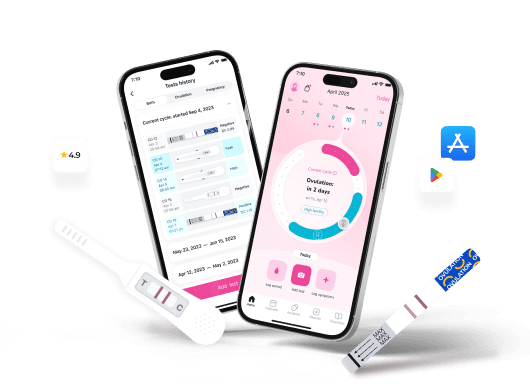
Cycle tracking apps aggregate menstrual patterns and symptoms.
Ovulation predictor kits (OPKs) detect the LH surge—offering insight into when ovulation is imminent.
Basal body temperature charts confirm ovulation has occurred, helpful for retrospective insight.
Combining these with observations of body signs empowers confident, informed fertility planning.
4. Spotting Natural Signs of Your Fertile Period
Your body may hint at imminent fertility through:
Cervical mucus changes that become clear, stretchy, and slippery—designated as “fertile quality.”
Mild abdominal twinges (mittelschmerz), occurring around egg release.
A minor rise in basal body temperature the morning after ovulation.
Subtle shifts in mood or libido, due to hormonal fluctuations.
Not everyone notices these signs, but when recognized, they greatly enhance timing precision.
5. Planning Intercourse Strategically
Since sperm can live for up to five days and the egg only survives briefly, timing intercourse during the most fertile days is key. The highest chances of conception typically occur when intercourse happens the day before or on the day of ovulation. Intentional timing helps couples make more measured efforts rather than random guessing.
6. When Things Don’t Follow the Pattern
Life circumstances and health conditions can disrupt regular ovulation timing:
Conditions like PCOS affect cycle regularity.
Hormonal imbalances—like thyroid issues—impact timing.
Lifestyle stressors, excessive exercise, or low body weight may suppress reproductive function.
In such cases, especially when cycles deviate, tracking becomes even more important—and professional evaluation can offer added clarity.
7. Supporting Your Reproductive System
To support a strong fertile cycle and reproductive health:
Prioritize a nutrient-rich diet with essential vitamins and minerals.
Keep exercise balanced—vigorous workouts can hamper hormonal consistency.
Manage stress through mindfulness, adequate sleep, or gentle activities.
Limit excessive caffeine, alcohol, and other factors that may sway hormonal balance.
A healthy environment supports both regular cycles and peak fertility.
8. Timing: Strategies Based on the Phase of Your Cycle
Here’s a simple, science-based approach:
Monitor your typical cycle length for 2–3 months.
Predict when your fertile window starts (usually 10–14 days before menstruation).
Begin tracking signs and LH changes a few days early.
Intercourse during those high-probability days increases odds significantly.
Understanding the interplay of signals positions you for success—mindfully and proactively.
9. Common Myths About Fertility Timing
Myth: Conception only happens on the day of ovulation. Reality: Sperm survive in the reproductive tract, prolonging opportunity.
Myth: All cycles are 28 days. Reality: Many individuals vary, and timing needs to adapt.
Myth: No signs indicate fertility. Reality: Awareness tools can help even if physical cues are subtle.
Dispelling myths helps foster a grounded, optimistic approach to your fertility journey.
10. Frequent Q&A: Your Fertile Window Questions Answered
Many people have common questions about the fertile window. One of the most frequent is: How long does it last? In most cases, the window is around six days — the five days leading up to egg release and the day of release itself. Another common question is about timing intercourse. The highest chances of conception are usually when intercourse happens the day before and the day of ovulation, since sperm can survive in the reproductive tract for several days.
Some ask whether tracking tools guarantee pregnancy. The answer is no — they simply improve your odds by helping you target the best days. Others worry about missing their fertile period. If that happens, don’t be discouraged. Instead, use cycle tracking to prepare better for the following month. Finally, many people wonder when to see a doctor. Generally, if you’ve been trying for a year with regular timing and no success, it’s a good idea to consult a professional. For those over 35 or with irregular cycles, seeking advice after six months may be wise.
Conclusion
Understanding your fertile window transforms conception from guesswork to informed planning. Recognizing hormonal signals, observing natural indicators, and using tracking tools build a clear path to timing intercourse for optimal success. With balanced lifestyle habits and fertility awareness, you're equipping yourself with both knowledge and insight to navigate the journey with confidence and clarity.
Related blog articles:
- Ovulation explained
- Naturally Boost Your Fertility
- Fertility and age: The truth about getting pregnant after 35
- Male Factor Infertility
- When is your fertile window?
- How long does it actually take to get pregnant?
- Understanding Your Menstrual Cycle: A Comprehensive Guide
- Ovulation Symptoms: Key Signs & Tracking Tips
- Pregmate App – Ovulation Tracker, Fertility and Period Calculator
- Conception explained: Fertilization and Implantation
- Using ovulation tests to identify the most fertile days of the month
- Your IVF Journey: Navigating the Path of In Vitro Fertilization
- A Comprehensive Guide to Pregnancy Tests: Everything You Need to Know
- Understanding IUI Intrauterine Insemination: A Complete Guide
- Pregmate pregnancy test strips: How and when to do the test
- Tracking LH surge using ovulation tests
- What is PCOS?
- What causes PCOS? Symptoms and signs.
- Using ovulation tests with PCOS
- 5 Menopause Myths BUSTED by a Medical Expert
- Your Complete Guide to Egg and Sperm Freezing
- The Hidden Truth About Endometriosis Every Woman Needs to Know
- How to Use Ovulation Tests to Get Pregnant Faster
Try our Mobile App